Why Lightweight Mouse Is a Trend: Benefits and History
In recent years, the lightweight mouse has become one of the most talked-about trends in the peripheral world. What started as a niche preference among competitive gamers has quickly expanded into mainstream use, influencing how both gamers and professionals think about mouse design, comfort, and performance. As users spend longer hours on their computers, the demand for tools that reduce strain and improve control has only grown.
The rise of lightweight mice is closely tied to gaming, where faster movements, lower fatigue, and higher precision can make a noticeable difference in performance. From esports professionals to casual FPS players, many have found that reducing mouse weight allows for quicker flicks, smoother tracking, and better overall consistency. Beyond gaming, productivity users, such as designers, editors, and office workers, are also switching toward lighter mice for their comfort during long work sessions. At the same time, advances in industrial design and materials have made it possible to lower weight without sacrificing durability or functionality.
That said, a lightweight mouse is not inherently “better” for everyone. Preferences vary based on hand size, grip style, sensitivity settings, and usage habits. While many users appreciate the agility and reduced fatigue that a lighter mouse offers, others still prefer the stability and controlled feel of a heavier design. Understanding why the lightweight mouse trend exists helps users decide whether it truly fits their needs, rather than simply following the hype.
What is a Lightweight Mouse anyway?
A lightweight mouse refers to a computer mouse designed with reduced overall weight to improve ease of movement, control, and comfort. While mouse weight might seem like a minor specification at first glance, it plays a significant role in how a mouse feels and performs during everyday use, especially over long periods. To better understand what qualifies as a lightweight mouse, it’s helpful to look at common weight categories and how weight impacts user experience.
Defining Mouse Weight Categories
Mouse weight is typically measured in grams (g), and modern mice generally fall into three broad categories:
-
Standard mice (90–120g)
These are the most common mice on the market, especially for office and general-purpose use. They often feel solid and stable, which some users prefer for precise, controlled movements. However, the added weight can contribute to hand and wrist fatigue during long sessions.
-
Lightweight mice (60–80g)
A lightweight mouse strikes a balance between agility and control. This category has gained popularity among gamers and productivity users alike, offering easier movement without feeling overly “floaty.” For many users, this range provides a noticeable reduction in effort while maintaining a familiar, comfortable feel. -
Ultralight mice (below 60g)
Ultralight mice push weight reduction to the extreme, often using advanced materials and minimalistic designs. They are favored by competitive gamers who prioritize speed and rapid directional changes. While extremely responsive, they may require an adjustment period and are not always ideal for users who prefer a heavier, more grounded feel.
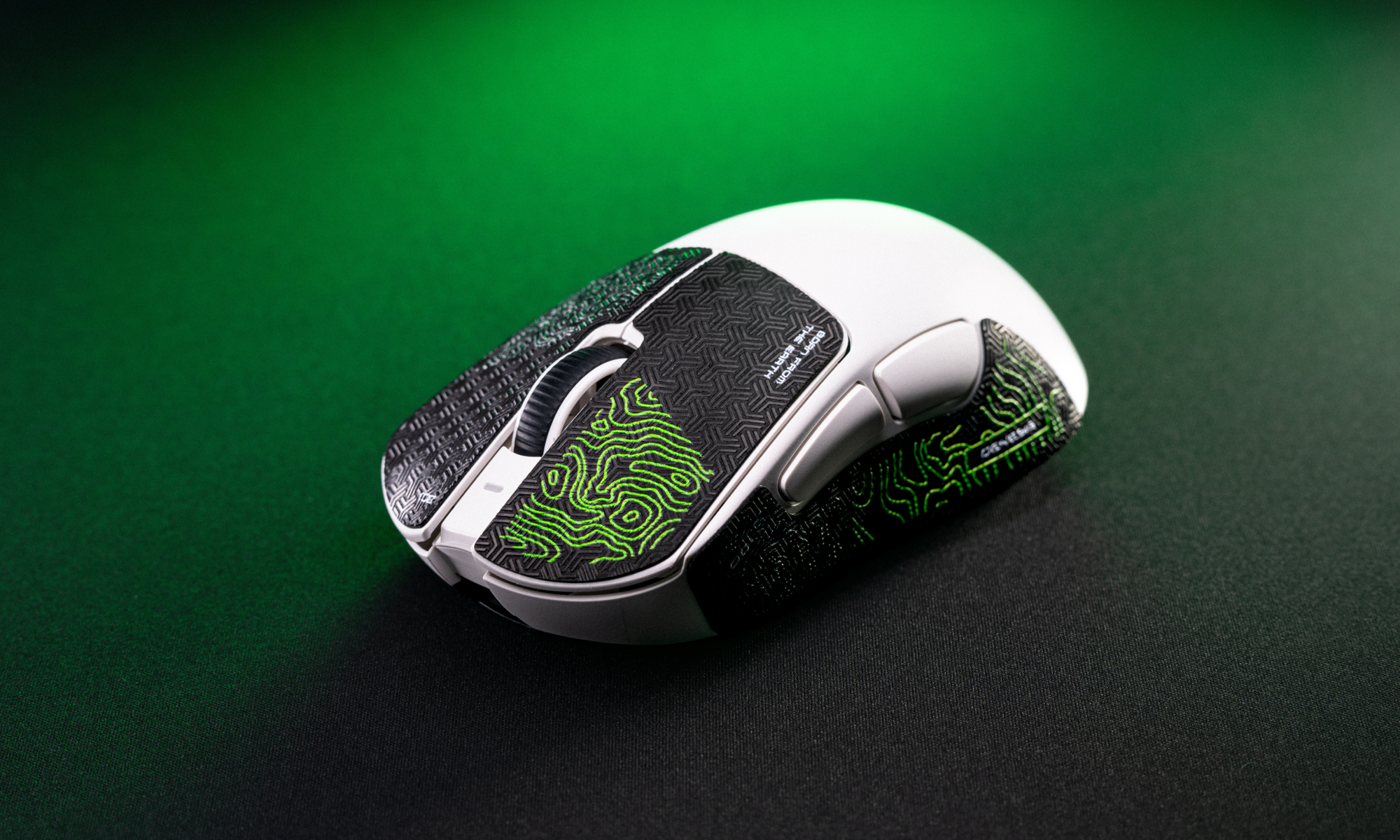
For those looking to experience the benefits of an ultralight mouse without compromise, the Teevolution Terra Pro offers a perfect solution. Weighing just 49gr, it combines ultra-fast responsiveness with a comfortable, ergonomic design. Its optimized shape and minimal drag make rapid movements effortless, while maintaining precise control, ideal for FPS gamers, esports professionals, and even productivity users who value speed and comfort. The Terra Pro is engineered to enhance performance and reduce fatigue during long sessions, all while fitting seamlessly into modern, minimalist setups.
Ultimately, mouse weight is a personal preference rather than a universal advantage. Understanding how different weight categories affect movement and control allows users to choose a mouse that best matches their habits and comfort needs, rather than relying solely on trends or specifications.
Rise of Lightweight Mice
The rise of lightweight mice is the result of both cultural influence and technological innovation. Over the years, a combination of competitive gaming, advancements in materials, and evolving user preferences has pushed lighter mouse designs into the mainstream.
Influence of Competitive Gaming
Competitive gaming, especially in first-person shooter (FPS) titles, was one of the earliest forces behind the lightweight mouse trend. In high-speed games where reaction time and precision matter, players began experimenting with lower mouse weights to achieve faster, more effortless movements. Professional players adopting lightweight mice in tournaments and streams gave the trend visibility, influencing both casual gamers and enthusiasts to consider weight as an important performance factor.
Advances in Materials and Technology
At the same time, manufacturers made it possible to reduce mouse weight without sacrificing durability or functionality. Innovations such as lighter plastics, honeycomb shell designs, and optimized internal structures minimized mass while keeping the device sturdy. Wireless technology also evolved, with smaller batteries and more efficient electronics allowing wireless mice to match the responsiveness of wired models, removing one of the last barriers to lightweight adoption.
Performance and Comfort Benefits
Users are drawn to lightweight mice for several practical reasons:
-
Faster Hand Movement and Reduced Effort: Lighter mice require less force to move, making rapid directional changes easier. This is particularly beneficial in fast-paced gaming or intensive cursor tasks, where smoother, quicker movements can improve performance.
-
Reduced Fatigue in Long Sessions: Over extended use, even small reductions in weight can lower cumulative strain on the hand, wrist, and forearm. While weight alone doesn’t guarantee perfect ergonomics, it can contribute to overall comfort when paired with a well-designed mouse and proper posture.
-
Desk Setup and Minimalist Preferences: Lightweight mice fit naturally into modern, minimalist workspaces. They are easy to transport, complement clean desk setups, and appeal to users who value portability and simplicity.
Why is Lightweight Mice a Trend and not a Universal Solution
The popularity of lightweight mice is the result of multiple factors: the influence of competitive gaming, advances in materials and manufacturing, and evolving user preferences for speed, comfort, and portability. These elements have combined to make lighter mice increasingly visible and appealing across gaming, productivity, and professional settings.
However, it’s important to recognize that a lightweight mouse is not inherently “better” for every user. Preferences vary depending on grip style, hand size, sensitivity settings, and the tasks being performed. The trend reflects changing user needs and priorities, rather than a one-size-fits-all upgrade.